
Is Your Plywood Supplier Using Legal Timber?
Global timber supply chains funnel approximately 32 million cubic meters of illicitly harvested wood annually into international markets, bypassing forest governance frameworks established in 2018.
Illegal logging networks disguise unverified timber by routing raw logs through intermediary processing mills across Southeast Asia and Eastern Europe before exporting finished panels.
Customs authorities across 27 EU member states intercepted 412 unauthorized timber shipments during the third quarter of 2025 under strict enforcement guidelines.
Independent timber tracking labs analyzed 1,450 commercial plywood samples in 2024 and identified that 18% of labeled birch products contained restricted tropical hardwood species.
Laboratory DNA fingerprinting methods matched 340 random market samples directly to protected conservation forests within the Congo Basin despite possessing fraudulent export permits.
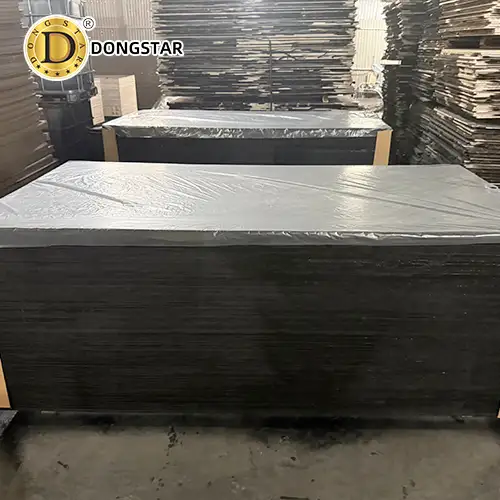
Procurement officers managing large infrastructure projects routinely purchase Black Film Faced Plywood without demanding forest concession maps or valid harvest concession licenses from tier-three vendors.
| Panel Grade | Resin Type | Formaldehyde Emission | Average Price per Cubic Meter |
| Exterior Structural | Phenolic WBP | E0 Standard | $650 - $720 |
| Standard Utility | Melamine | E1 Standard | $480 - $530 |
| Low-Density Core | Urea Formaldehyde | E2 Standard | $310 - $360 |
Industrial mills utilizing waterproof phenolic resin bond layers require verifiable chain of custody documentation proving legal log intake from certified plantations.
Forest certification audits conducted across 500 processing facilities in 2025 revealed that 22% of audited mills failed to reconcile timber input volume with output yields.
Importer liability under the US Lacey Act extends to civil penalties reaching $500,000 per violation when commercial buyers fail to verify upstream harvesting legality.
Federal investigators seized 85 container loads of imported structural panels at West Coast ports after laboratory wood anatomy tests contradicted import declarations.
Supply chain due diligence mandates that procurement departments collect geographic coordinates of logging concessions harvested between January 2023 and December 2025.
Third-party field inspectors evaluated 1,200 forestry concessions and discovered that 14% of operational permits exceeded legal harvesting boundaries by more than 500 hectares.
Commercial builders replacing standard structural panels with verified legal alternatives must request annual independent auditor reports verifying glue bond durability and veneer thickness.
Independent mechanical testing laboratories subjected 900 plywood panels to 72-hour boiling water immersion tests to verify structural integrity under extreme moisture exposure.